Jacob See
Cleaner runs, better diamonds, a closed loop system you can trust.
I'm a self-taught phytochemist and Director of Hydrocarbon (BHO) Extraction. I own and operate two 6x48 and one 8x48 closed-loop columns (200 lbs biomass/day), run client systems, and have over a decade in cannabis.
- Over a decade in cannabis
- GMP · SQF · QA/QC background
- Owner-operator of closed loop systems
- Travels & lives on site
What I doResults-focused help for licensed closed loop labs
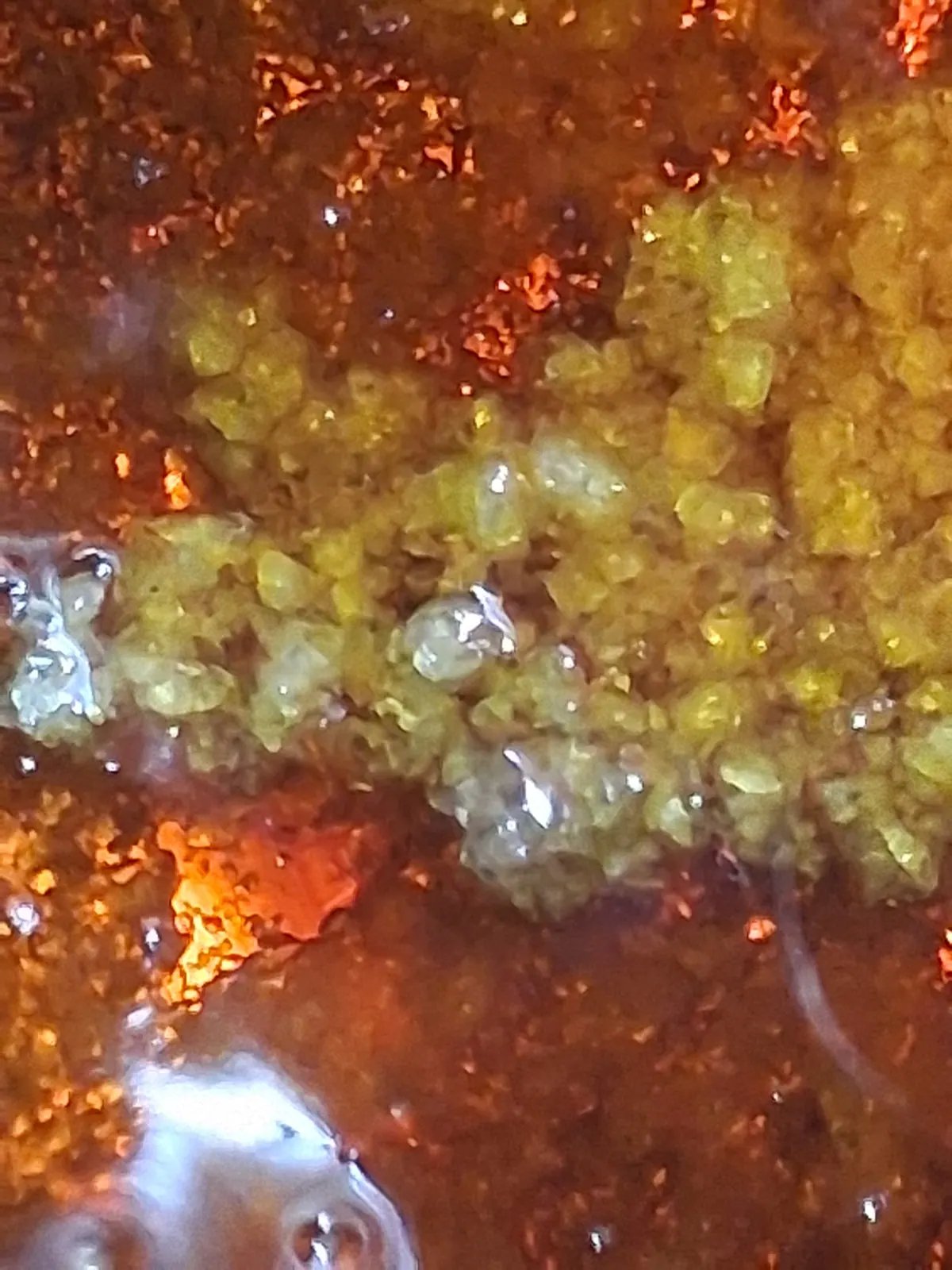
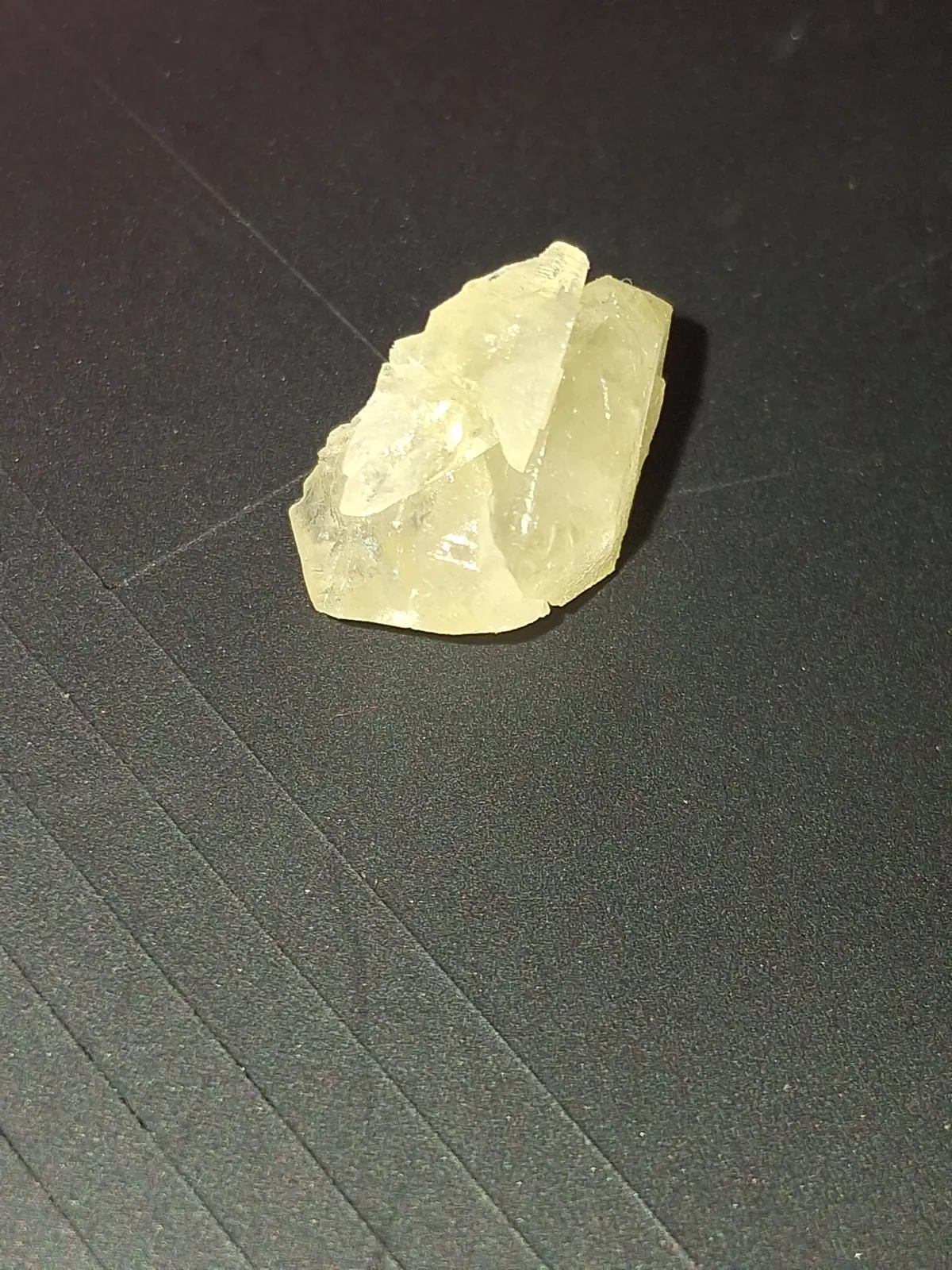
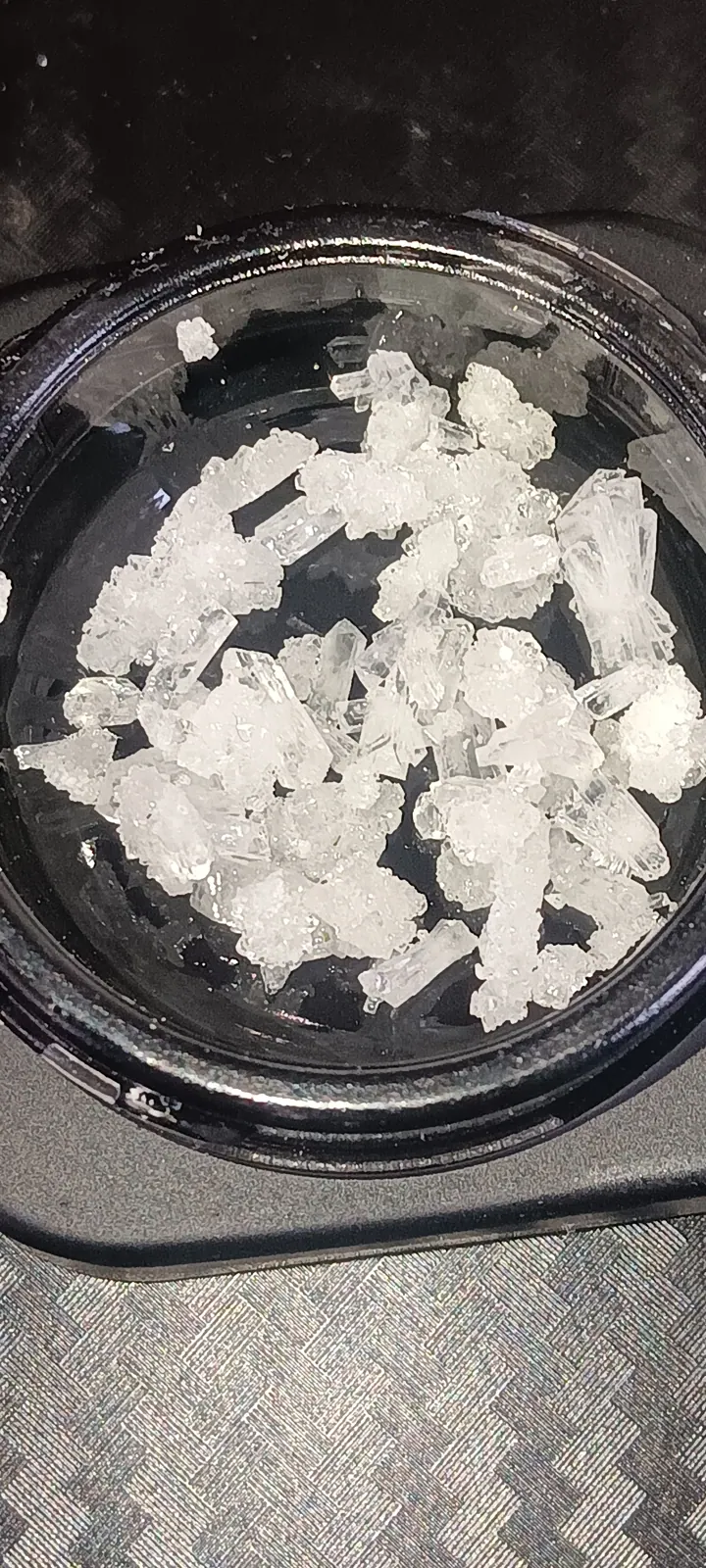
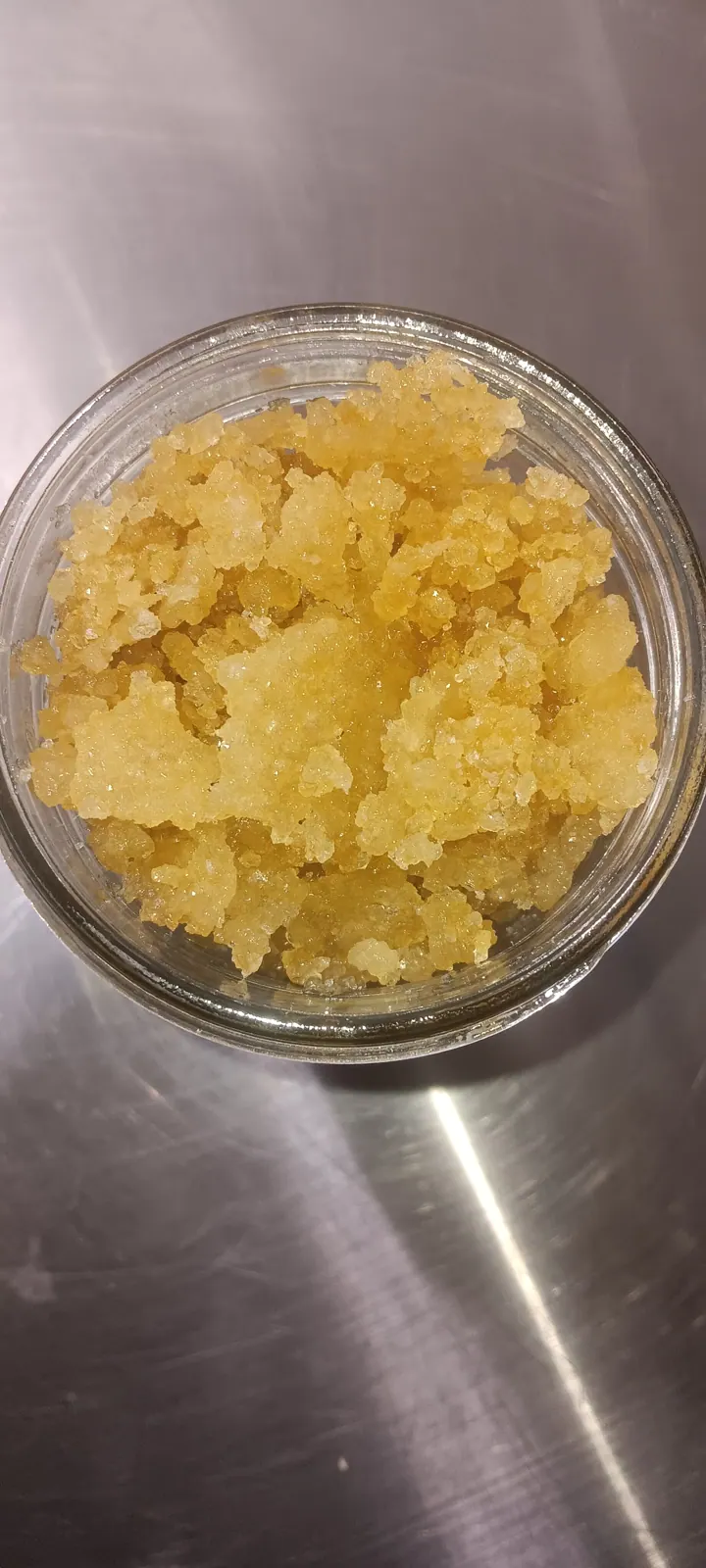
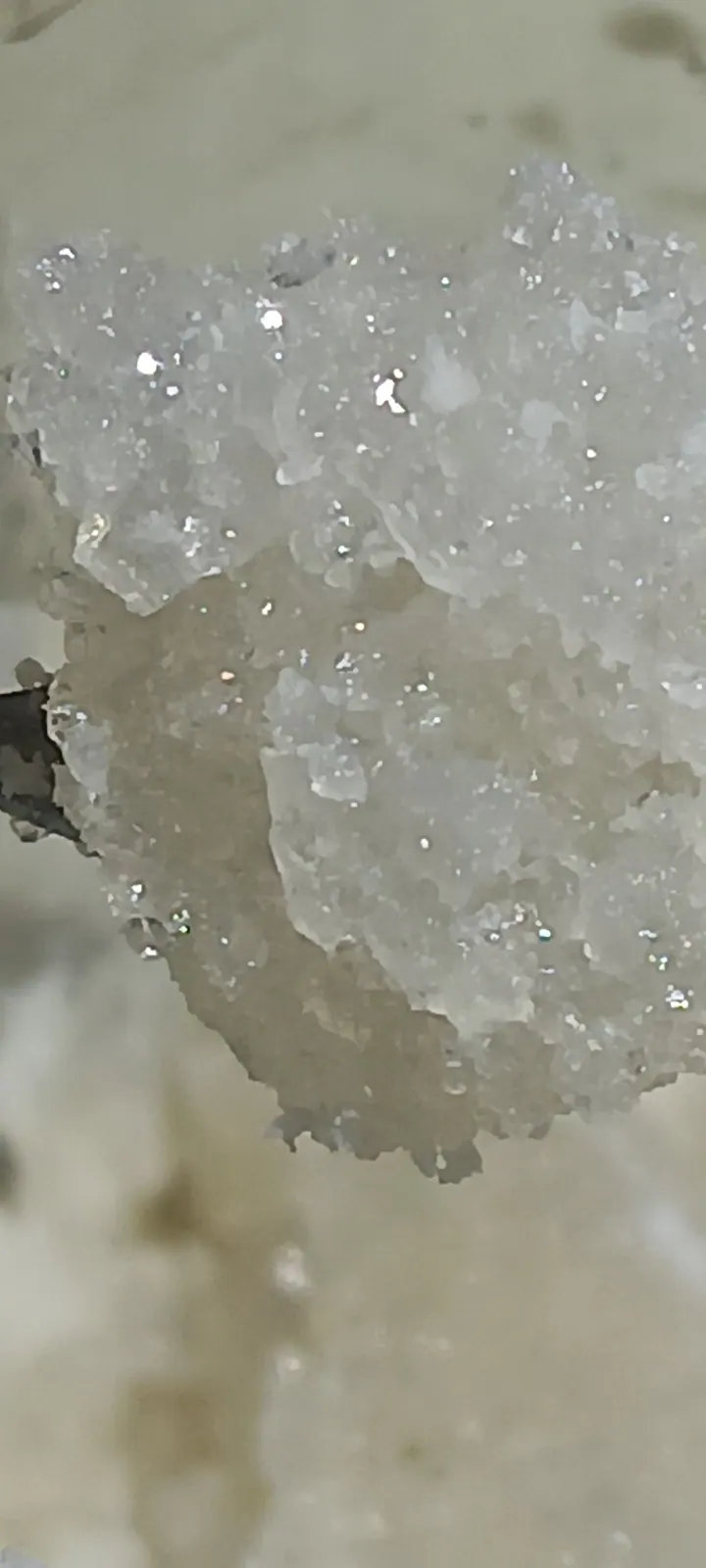
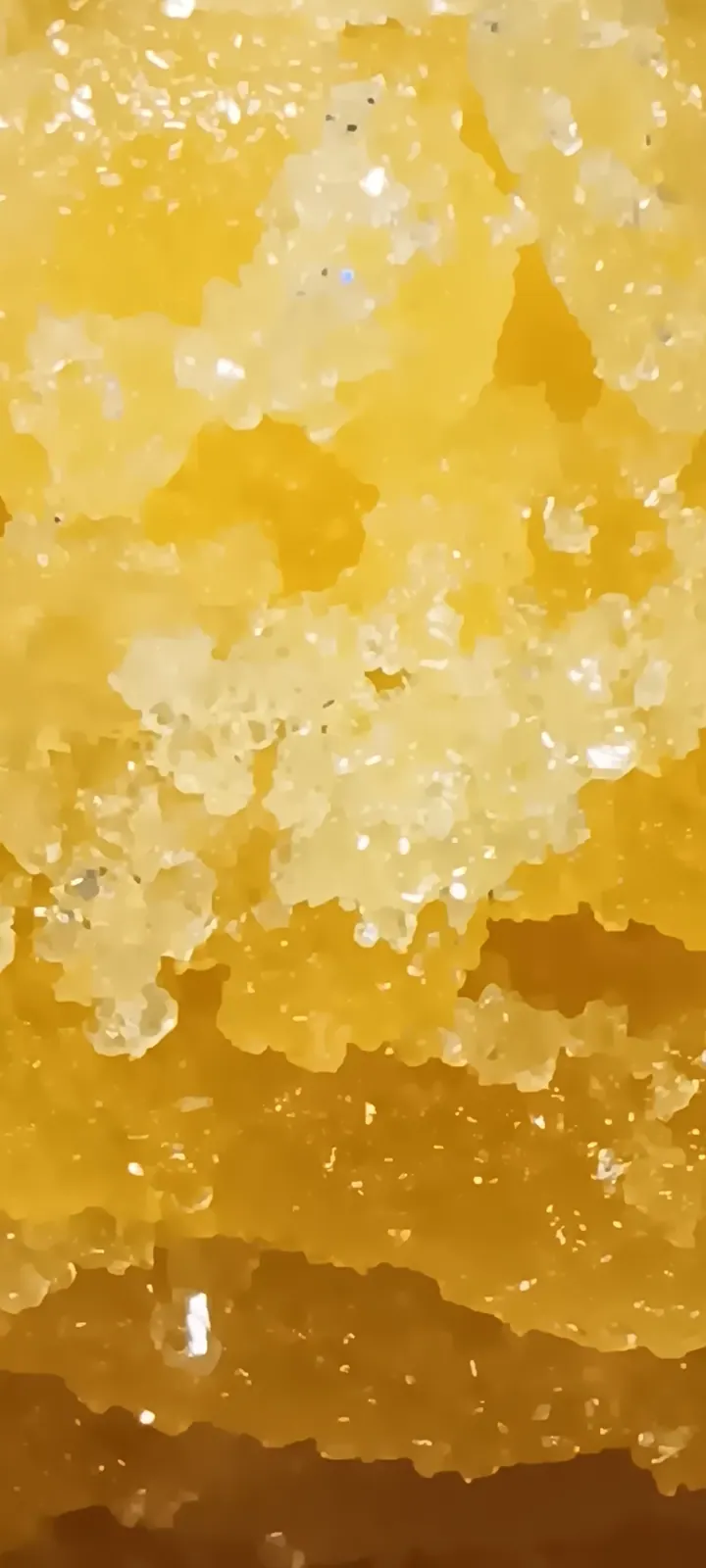
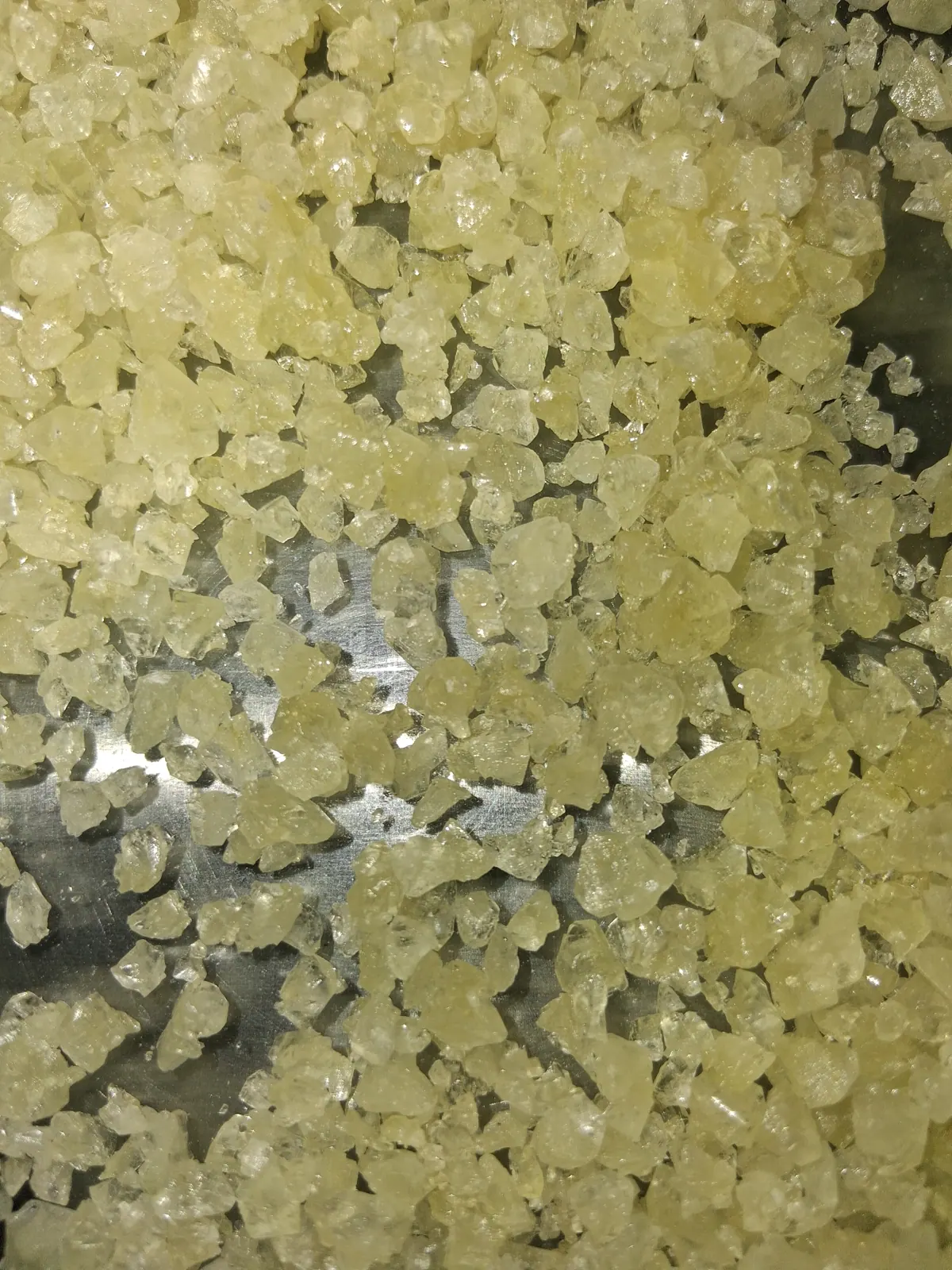
Bigger, clearer THCa diamonds
Crystallization of organic compounds is my specialty, and the heart of my phytochemistry work.
Closed loop system repair & rebuilds
Full teardown, leak finding and repair, reassembly, plus condenser and chiller upgrades.
Owner-operator, off-grid
Two 6x48 and one 8x48 closed-loop columns, 200 lbs/day, active/passive recovery, 10kW wind/solar/hydro.
Audit-ready quality
GMP, SQF, QA/QC, SOP writing, mock audits and team leadership.
Roadmap to SuccessFrom shutdown to profit
Struggling lab? This is the four-phase turnaround roadmap I follow: assess, stabilize, optimize, grow.
Assess
See the lab as it really is.
Stabilize
Stop the bleeding and make it safe.
Optimize
Make every run count.
Grow
Build on a stable base.
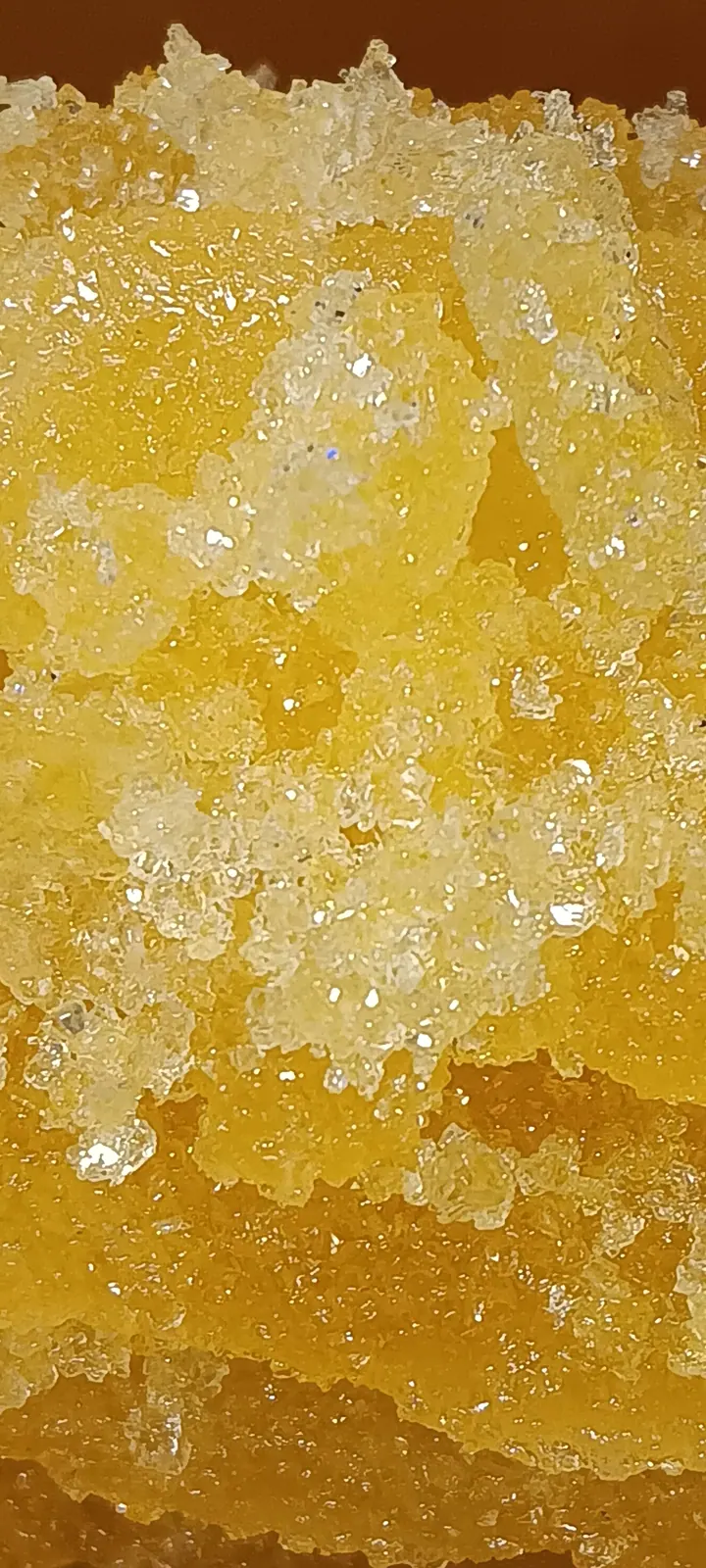
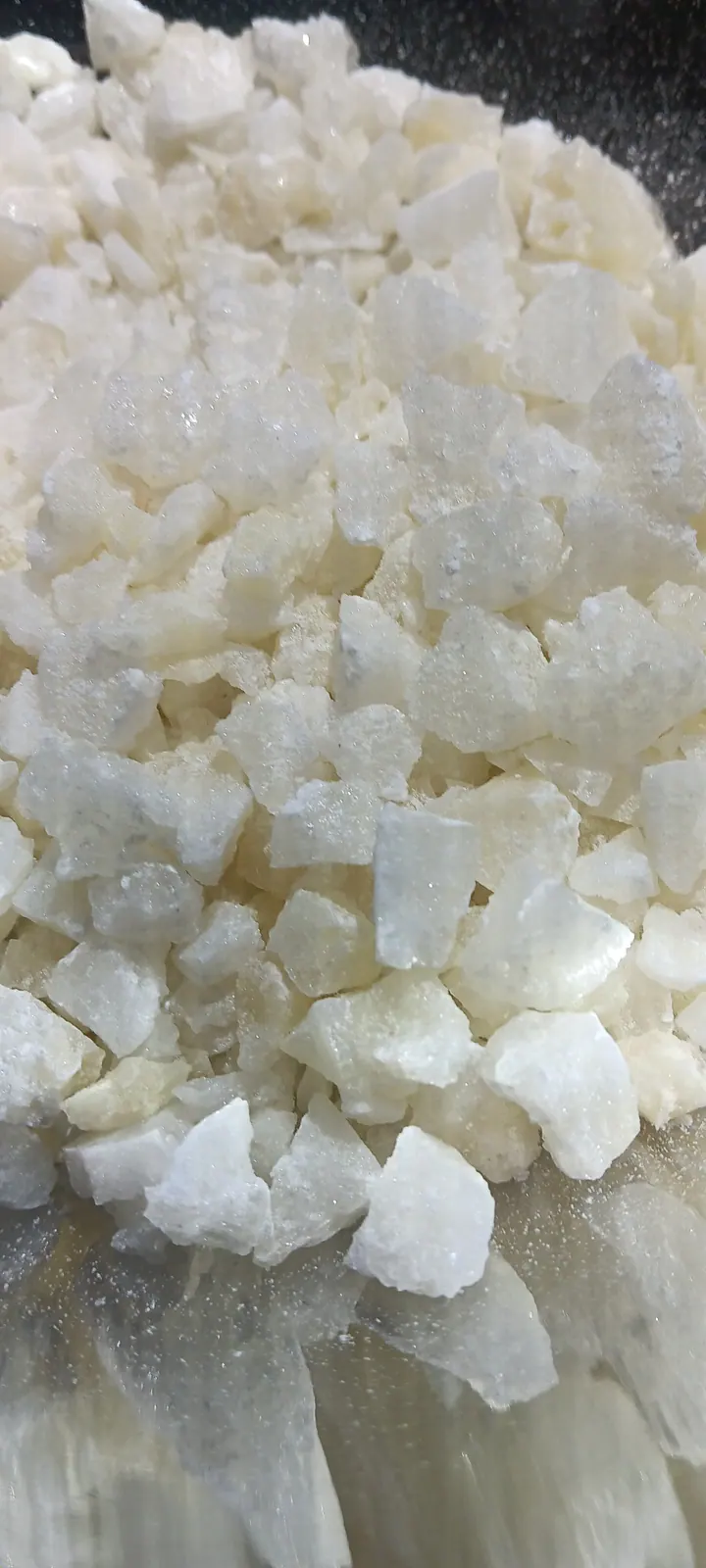
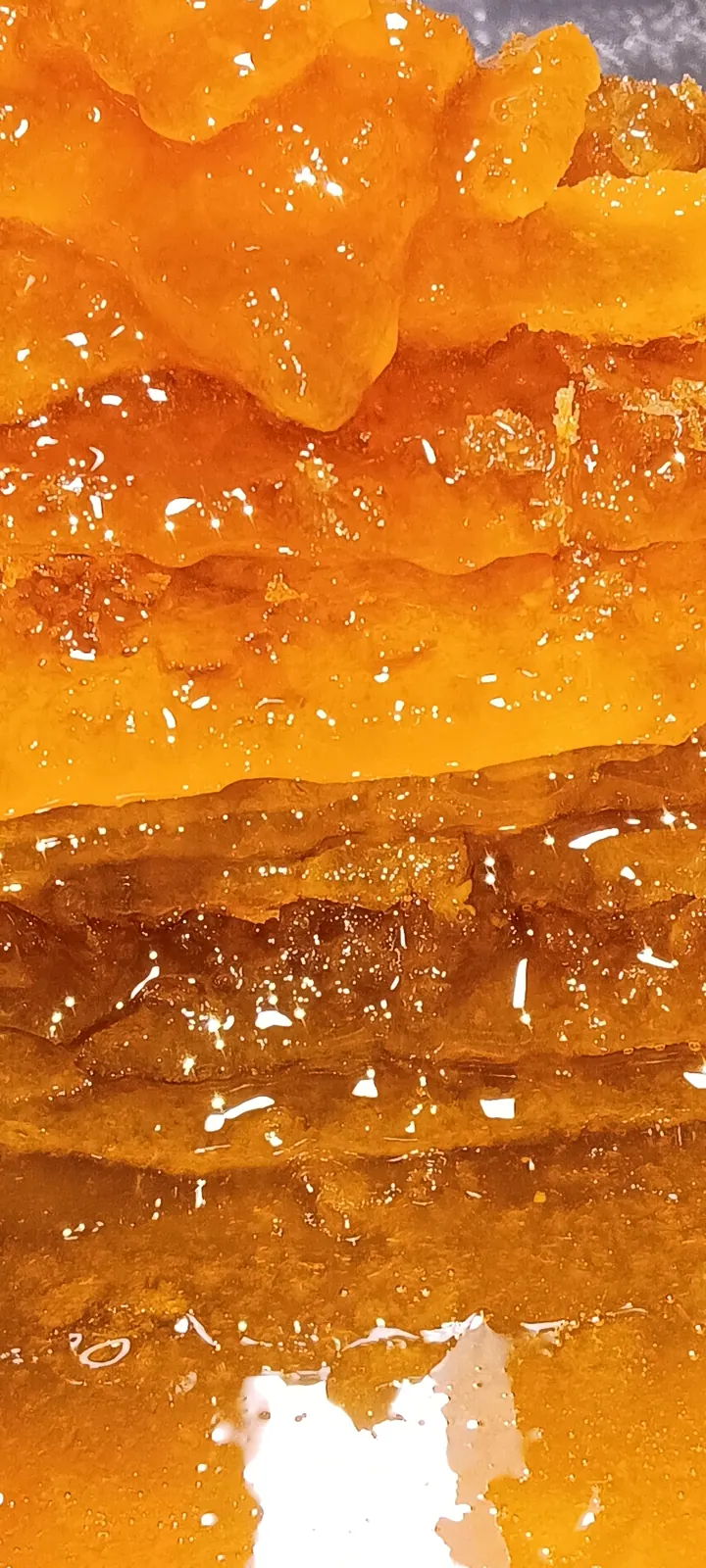
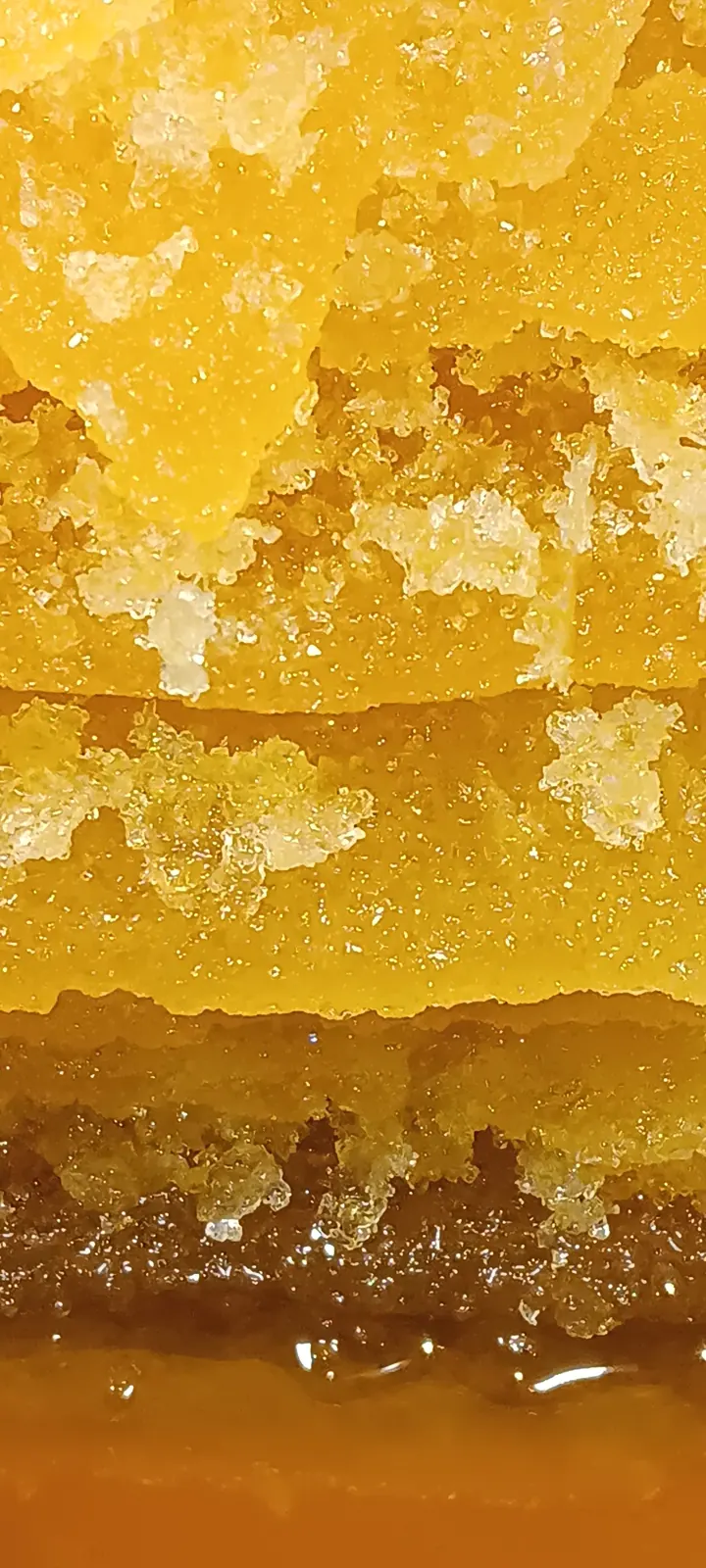
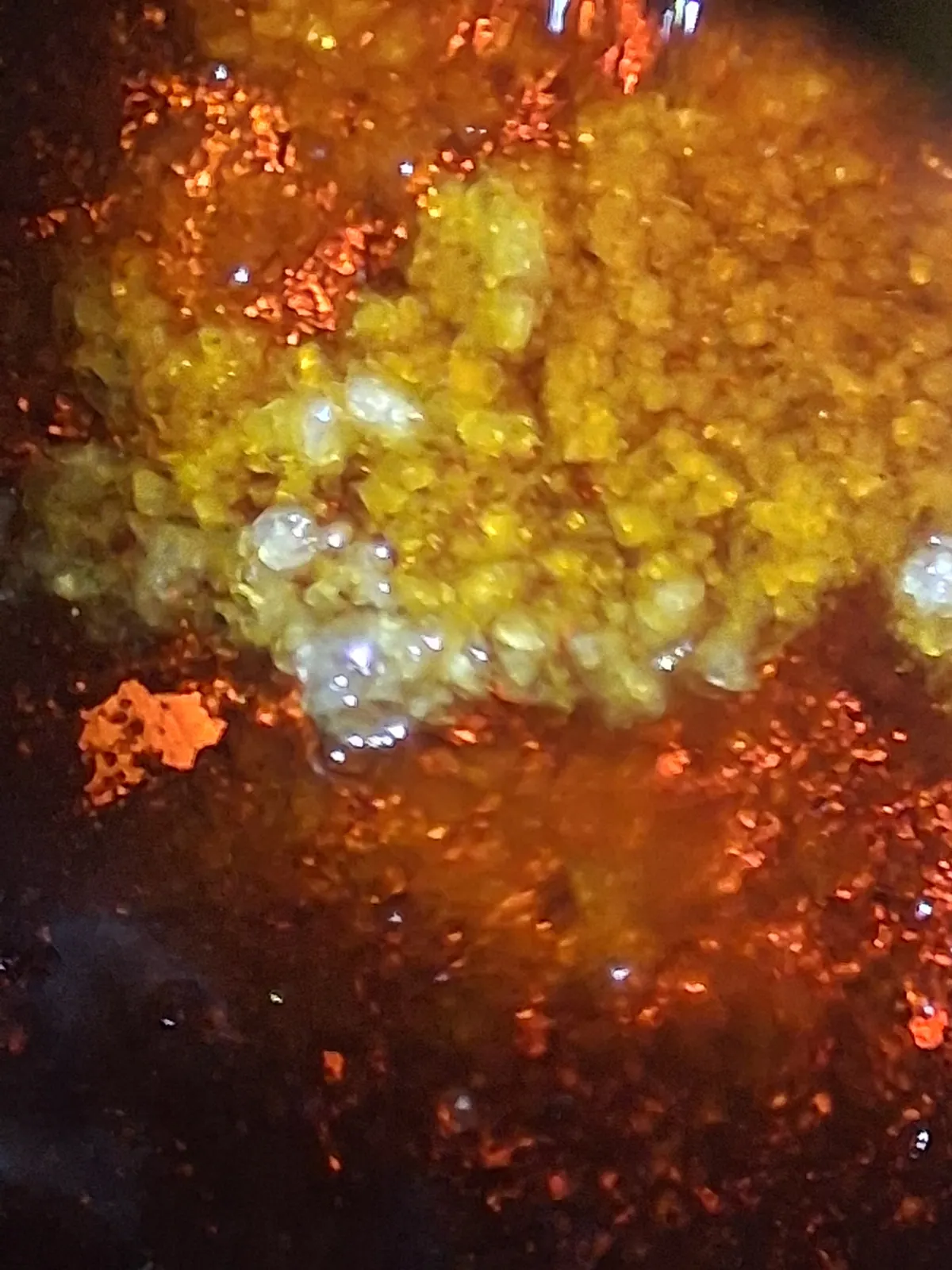
Selected workLive resin, sauce & diamonds from the lab
FAQClosed loop questions, answered
What is a closed loop extractor?
A closed loop extractor is a sealed hydrocarbon extraction system in which the solvent (usually butane, propane or a blend) is kept inside the equipment and recovered for reuse instead of being vented. It typically includes a solvent tank, material columns, a collection vessel and a recovery path. It must be engineered, certified and operated only in licensed facilities.
What is the difference between BHO and live resin?
BHO (butane hash oil) describes the solvent used. Live resin describes the input: fresh frozen plant material instead of dried and cured material. Live resin is often made with closed loop BHO, which is why the terms overlap.
Why won't my THCa diamonds form?
Common causes are low-quality or wet input material, moisture in the system, too little THCa in the starting extract, or disturbing the material while crystals are nucleating. Every lab is different, so a review of inputs, documentation and the environment is the usual starting point.
How does moisture affect crystallization?
Water can interfere with how THCa molecules arrange into crystals, leading to cloudy, small or poorly separated diamonds. Moisture can enter through input material, the environment or the equipment, so licensed labs control it at every stage.
What are closed loop safety basics?
Closed loop hydrocarbon extraction belongs only in licensed, code-compliant facilities: an engineered C1D1 room, certified equipment, gas detection, ventilation, trained staff, SOPs and regular leak checks. It is never a home or DIY activity.
How do I choose a closed loop system?
Match capacity to your production goals, insist on third-party engineering documentation and certification, plan for solvent recovery speed and cooling (chillers or dry ice), and confirm the system fits your licensed space and local code. A consultant can help compare options.
Do you consult in New York and travel on site?
Yes. I am based in New York and travel to and live on site at licensed facilities for setup, system repair, rebuilds and process improvement.
What does a GMP mock audit include?
A walkthrough run like a real inspection: SOPs, batch records, training records, sanitation, deviations and CAPA, with a written gap report and priorities for fixing them.
Ready when you areGet a closed loop expert in your lab
Setup, repairs, upgrades, diamond programs or a GMP mock audit. I travel and live on site at licensed facilities.