Closed loop extraction, explained for beginners
Plain-English answers to the questions people search most. Educational and safety-first.
1. Learn what a closed loop system is
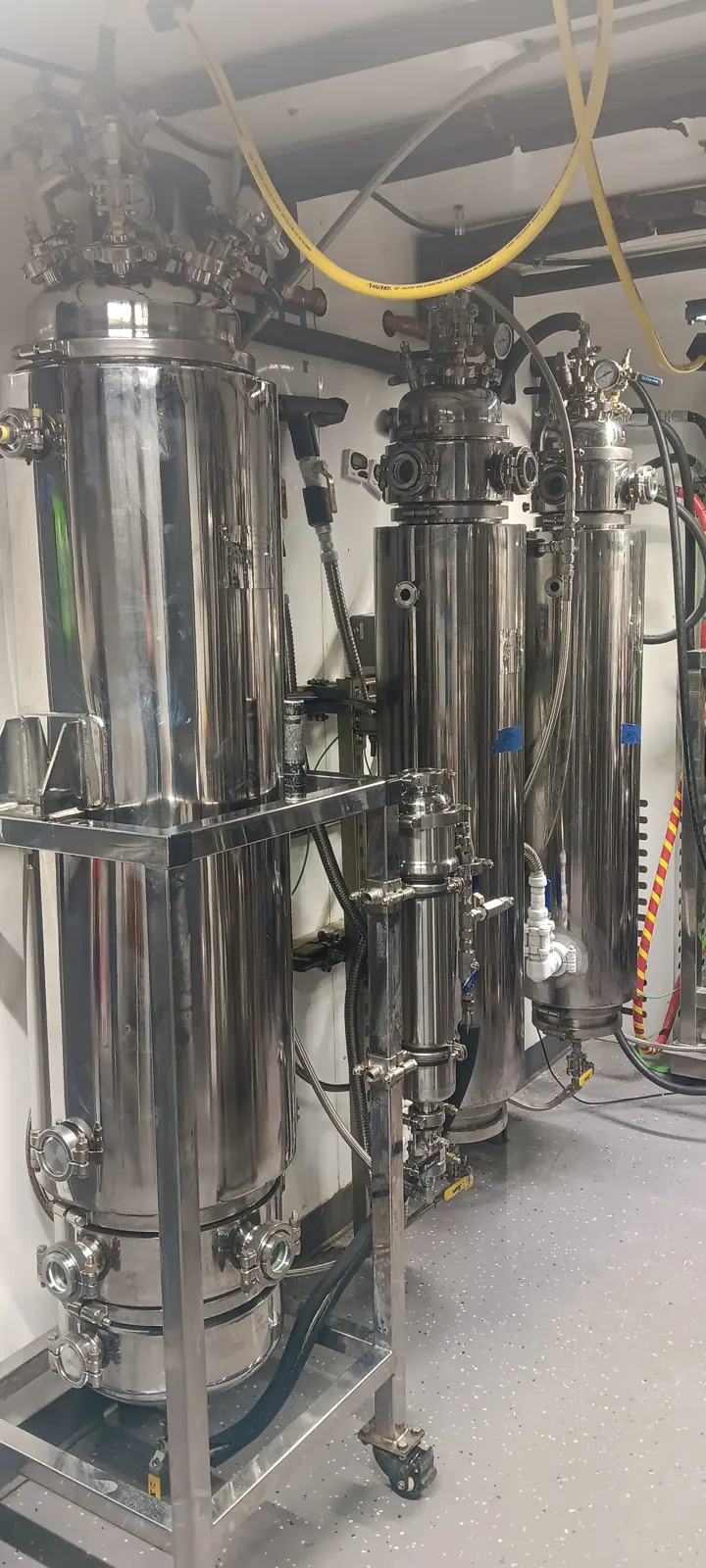
A closed loop extractor keeps hydrocarbon solvent sealed inside the equipment and recovers it for reuse. Read the closed loop BHO overview.
2. Understand inputs
The finished product can only be as good as the material going in. See choosing input material for live resin.
3. Know your textures
Sauce, badder, shatter and diamonds form for different reasons. See textures explained.
4. Respect moisture
Water is a common reason diamonds fail. See how moisture affects crystallization.
5. Put safety and compliance first
C1D1 rooms, certified equipment, SOPs and training come before production. See closed loop safety basics and setting up a compliant lab.
6. Learn how a facility runs
Maintenance, scheduling, KPIs and what to do when tests fail: see Running an Extraction Facility.
7. Write it down well
Clear procedures make everything else work. See writing good SOPs (free template).
Stuck on a term? The extraction glossary explains 100+ of them.
Frequently asked questions
What is a closed loop extractor?
A closed loop extractor is a sealed hydrocarbon extraction system in which the solvent (usually butane, propane or a blend) is kept inside the equipment and recovered for reuse instead of being vented. It typically includes a solvent tank, material columns, a collection vessel and a recovery path. It must be engineered, certified and operated only in licensed facilities.
What is the difference between BHO and live resin?
BHO (butane hash oil) describes the solvent used. Live resin describes the input: fresh frozen plant material instead of dried and cured material. Live resin is often made with closed loop BHO, which is why the terms overlap.
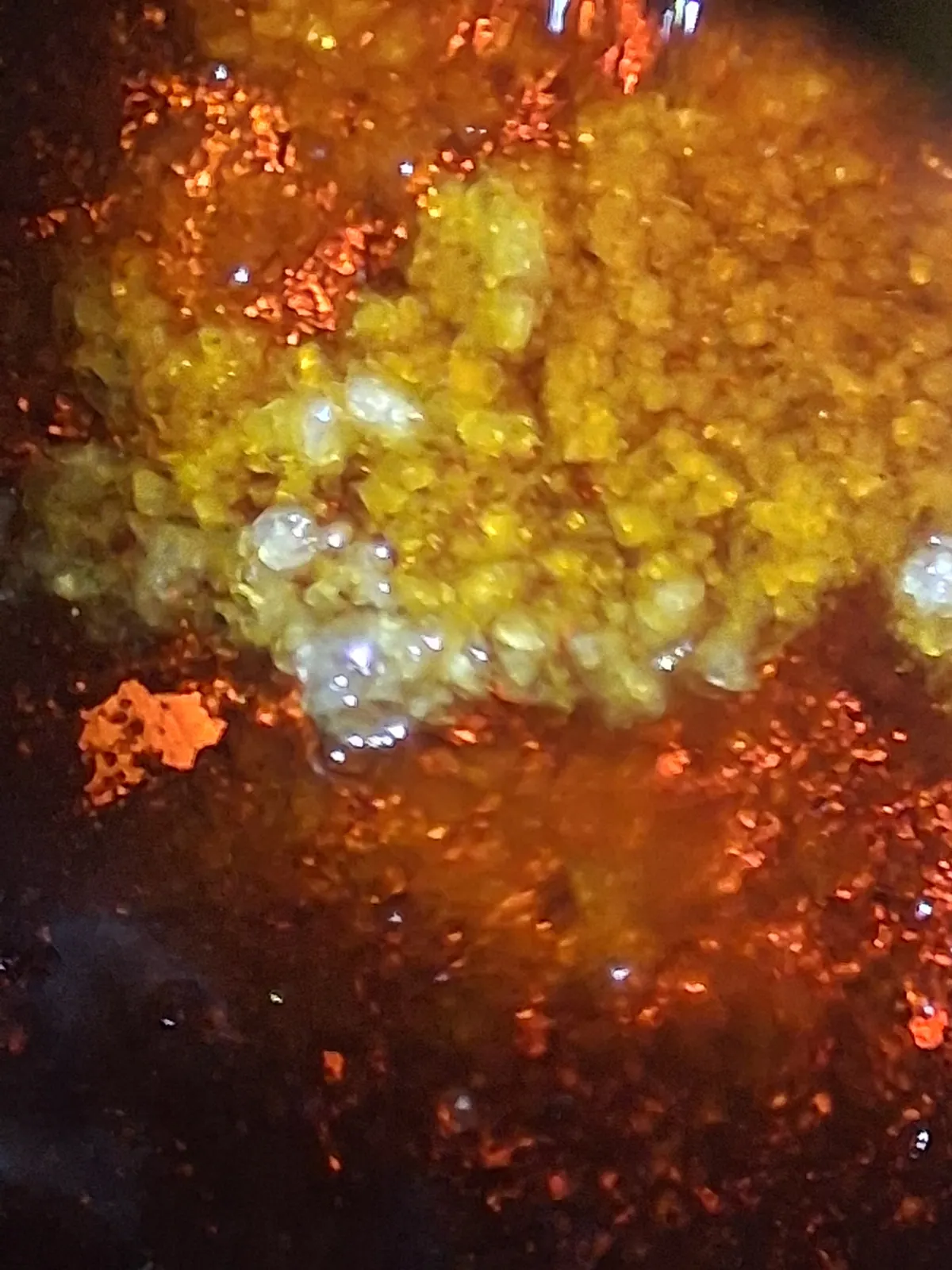
Why won't my THCa diamonds form?
Common causes are low-quality or wet input material, moisture in the system, too little THCa in the starting extract, or disturbing the material while crystals are nucleating. Every lab is different, so a review of inputs, documentation and the environment is the usual starting point.
How does moisture affect crystallization?
Water can interfere with how THCa molecules arrange into crystals, leading to cloudy, small or poorly separated diamonds. Moisture can enter through input material, the environment or the equipment, so licensed labs control it at every stage.
What are closed loop safety basics?
Closed loop hydrocarbon extraction belongs only in licensed, code-compliant facilities: an engineered C1D1 room, certified equipment, gas detection, ventilation, trained staff, SOPs and regular leak checks. It is never a home or DIY activity.
How do I choose a closed loop system?
Match capacity to your production goals, insist on third-party engineering documentation and certification, plan for solvent recovery speed and cooling (chillers or dry ice), and confirm the system fits your licensed space and local code. A consultant can help compare options.
Ready when you areGet a closed loop expert in your lab
Setup, repairs, upgrades, diamond programs or a GMP mock audit. I travel and live on site at licensed facilities.