Distillation (Short-Path, Wiped Film, Cut Points)
Distillation separates compounds by their boiling points. Under deep vacuum, boiling points drop far enough that cannabinoids can be vaporized and condensed without being destroyed by heat. The result is distillate: a clear, potent oil, typically made from decarboxylated, winterized crude.
Short-path distillation
A heated boiling flask (5L and 10L are common sizes), a short distillation head with a condenser, and receiving flasks, all under high vacuum. The vapor travels only a short distance, which reduces losses. It runs in batches and is well suited to small and mid-sized operations.
Wiped film (WFE)
A continuous process: crude is fed onto a heated cylindrical wall, rotating wipers spread it into a thin film, and the vapor condenses on an internal condenser. Short heat exposure and continuous throughput make it suited to larger volumes. It is a general industry overview here; my hands-on work is short-path.
Cut points (fractions)
- Heads: the lightest volatiles, such as residual solvent, terpenes and moisture, come off first at lower temperatures.
- Main body: the cannabinoid fraction, collected in a separate flask once vapor temperature and appearance stabilize.
- Tails: heavier compounds and degradation products are left behind or collected separately.
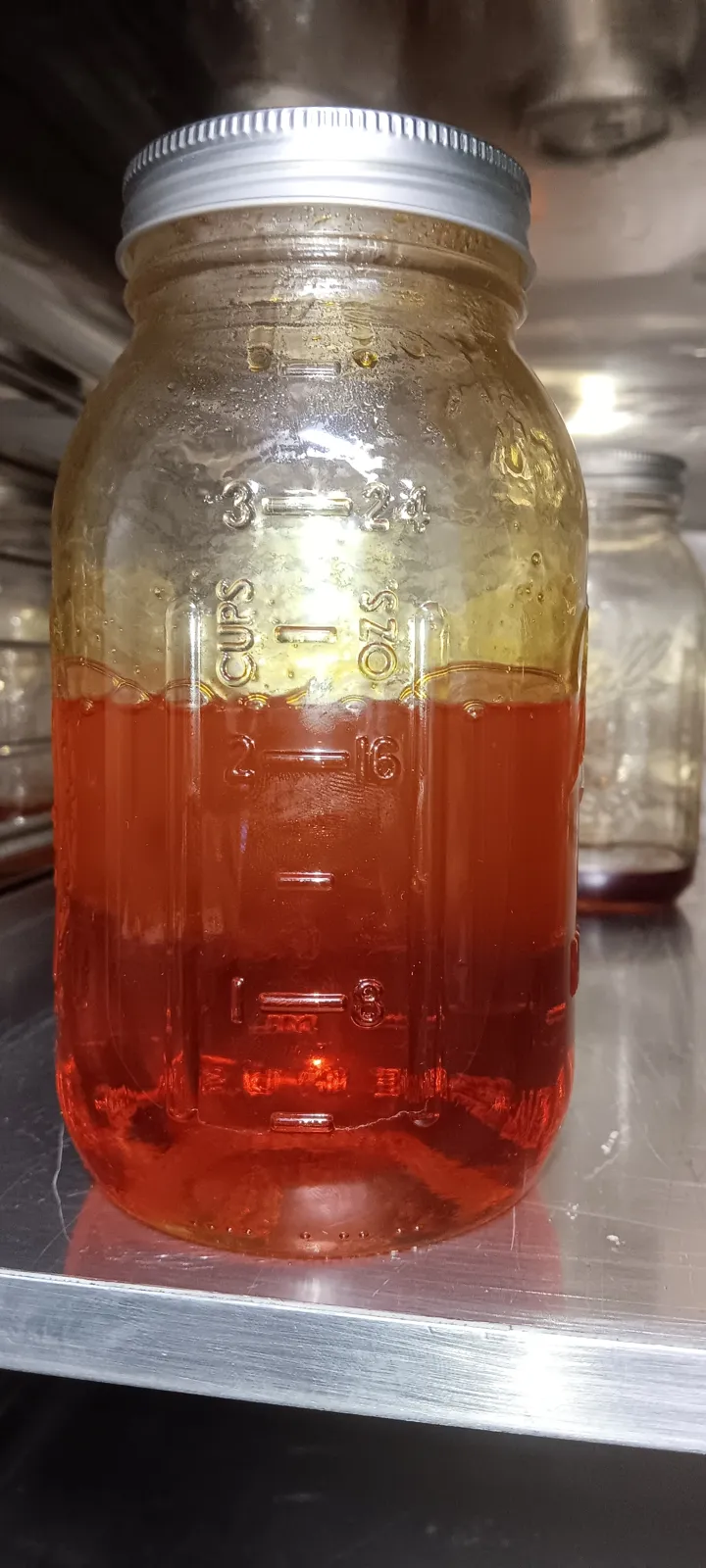
Knowing when to switch flasks, by watching temperature, vacuum level, color and flow, is a large part of the skill. Multiple passes increase clarity and potency.
Ready when you areGet a closed loop expert in your lab
Setup, repairs, upgrades, diamond programs or a GMP mock audit. I travel and live on site at licensed facilities.