Extraction Methods
Moisture in the System & Crystallization
Closed-Loop HydrocarbonTHCa Diamond CrystallizationMoisture in the System & CrystallizationTerpene SeparationDistillationWinterization & DewaxingCO₂ ExtractionEthanol ExtractionSolventlessPost-Processing
General industry overview
A conceptual guide connected to my specialty, the crystallization of organic compounds. It is general and educational.
Water is one of the most common and least visible causes of trouble in hydrocarbon extraction and crystallization. Hydrocarbon solvents and cannabinoids are non-polar and water is polar, so they don't mix. Even small amounts of moisture can disrupt how an extract behaves and how crystals form.
Where moisture comes from
- Fresh-frozen input: live plant material naturally holds water, and frost or ice on the material can carry into the run.
- Ice and condensation from cooling: very cold surfaces cooled with dry ice or chillers pull water out of the surrounding air, and frost or condensation can get into the system.
- Wet solvent: solvent that has picked up moisture over repeated recovery cycles, or from storage, brings water into every run.
- Humid air during collection: opening collection vessels or handling cold extract in a humid room lets condensation form on and in the product.
Effects on product and crystallization
- Cloudy or milky product: suspended water droplets scatter light and make oil or sauce look hazy.
- Inhibited or erratic nucleation: water droplets and interfaces can either stop crystals from starting or trigger nucleation unevenly, so results become unpredictable.
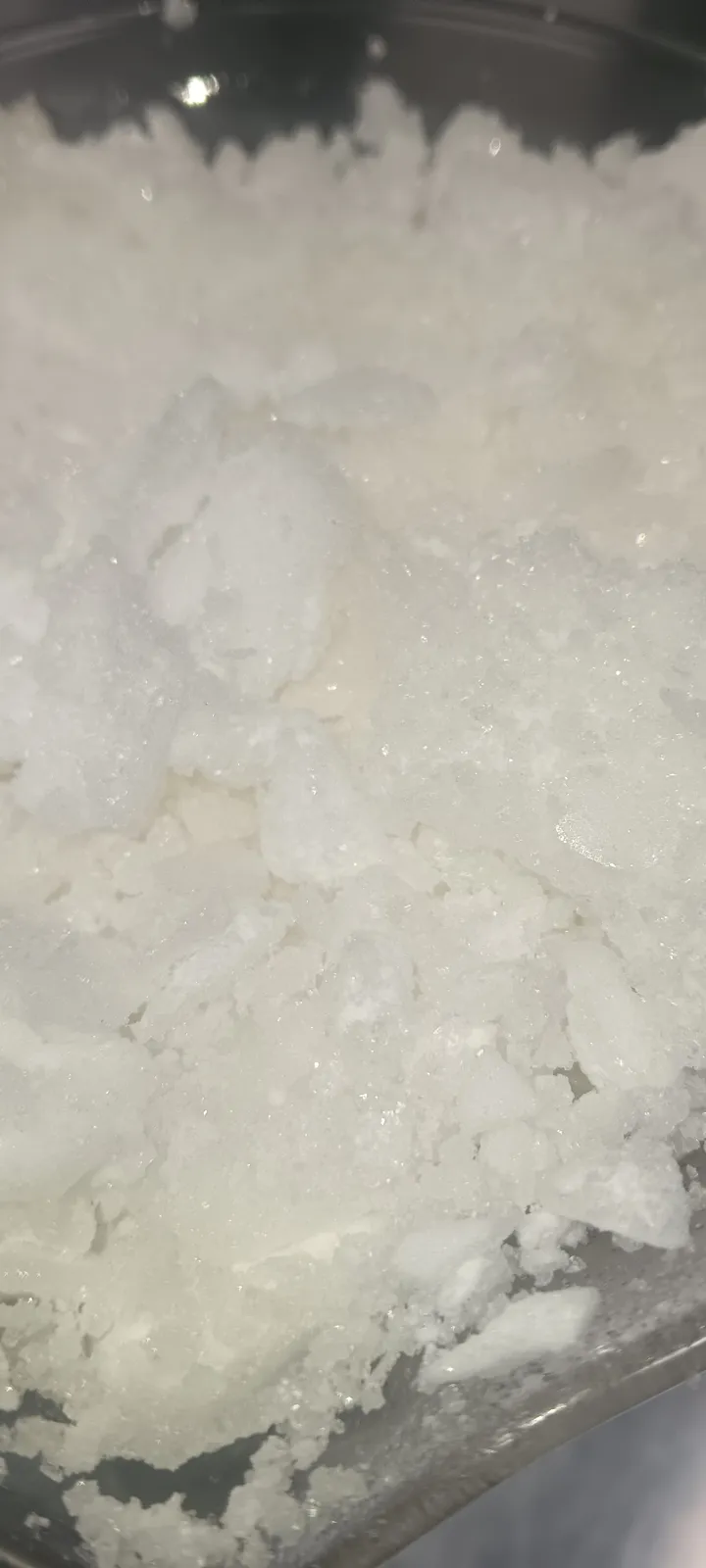
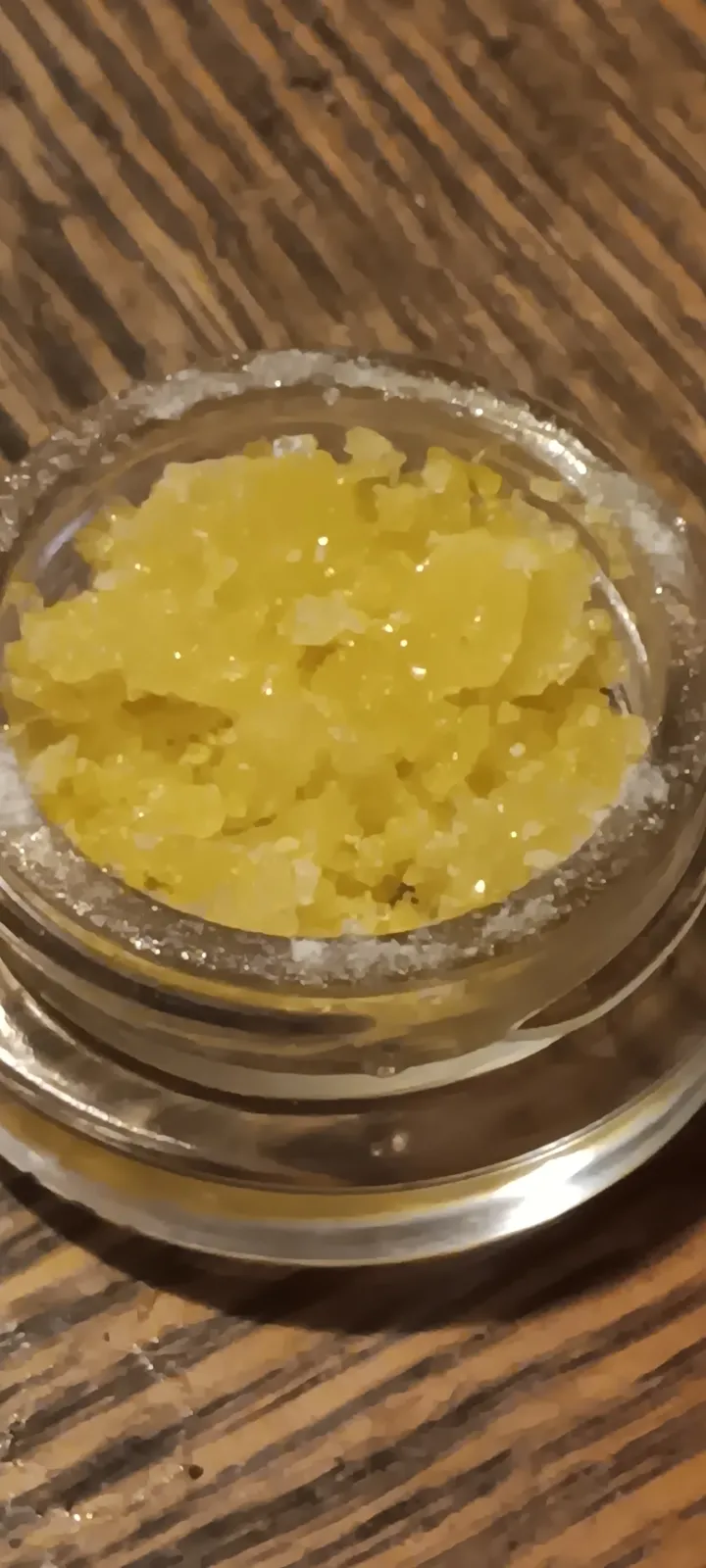
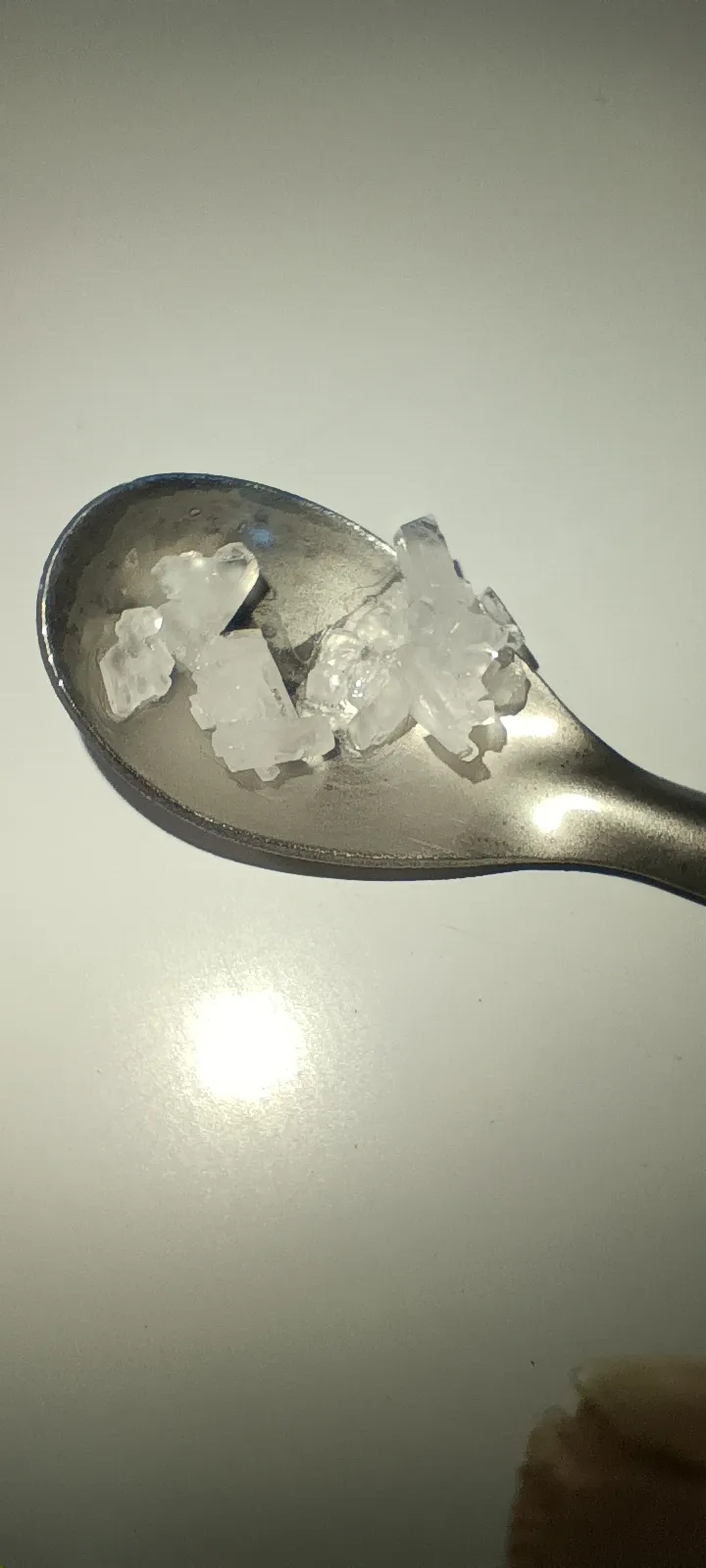
- Small, sugary crystals: uncontrolled nucleation sites tend to give many fine crystals instead of a few large diamonds.
- Emulsions: water and oil can form stable emulsions that are hard to break and hard to purge.
- Terpene separation issues: moisture can interfere with a clean split between the HTFSE and the crystals, giving muddy or inconsistent phases.
- Mold and stability risks: water in a finished product raises the risk of microbial growth and shortens shelf stability, which can affect compliance testing.
General prevention themes
- In-line desiccants: molecular sieves or other desiccant media in the solvent path help keep solvent dry over time.
- Dry input handling: storing and loading material so frost and surface ice don't get into the columns.
- Dewaxing and filtration: filtration stages help remove water-associated impurities along with waxes and particulates.
- Dry collection environments: controlling humidity where cold vessels are opened and extract is handled.
- QA checks: watching product clarity and phase behavior, keeping records, and using lab testing to catch moisture-related problems early.
This is a conceptual, educational overview, not operating instructions. Hydrocarbon extraction and pressurized crystallization belong only in licensed, engineered, code-compliant facilities, run by trained staff.
Ready when you areGet a closed loop expert in your lab
Setup, repairs, upgrades, diamond programs or a GMP mock audit. I travel and live on site at licensed facilities.